Buy euro-car.eu ?
We are moving the project
euro-car.eu .
Are you interested in purchasing the domain
euro-car.eu ?
domain@kv-gmbh.de · 0541-91531010
Buy euro-car.eu ?
What are the differences and similarities between design, architecture, and art?
Design, architecture, and art are all creative fields that involve the use of aesthetics and functionality. Design focuses on solving problems and creating solutions that are both visually appealing and practical. Architecture involves the design and construction of buildings and structures, focusing on spatial relationships and functionality. Art, on the other hand, is more about self-expression and creativity, often without the constraints of functionality. While all three fields involve creativity and aesthetics, design and architecture are more focused on solving specific problems and serving a purpose, while art is often more about personal expression and interpretation. **
How can one recognize differences in architecture?
One can recognize differences in architecture by observing the style, materials, and construction techniques used in a building. Different architectural styles, such as Gothic, Baroque, or Modernist, have distinct characteristics that can help identify the time period and cultural influences of a structure. Additionally, the use of specific materials, such as stone, wood, or glass, can also indicate a particular architectural style or regional tradition. Furthermore, the construction techniques, such as arches, columns, or vaulted ceilings, can provide clues to the architectural style and period of a building. **
Similar search terms for Differences Architecture
Top-Angebote
Products related to Differences Architecture:
-
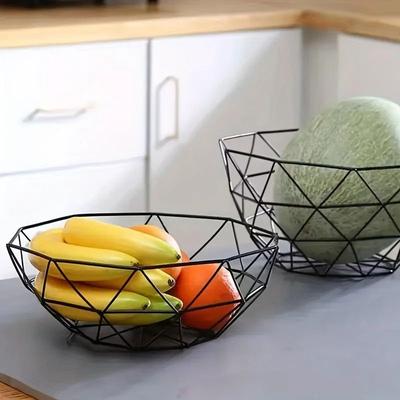
Uplifted Finds Geometric Iron Wire Fruit Bowl And High Performance Countertop Organization Architecture Geometric Iron Wire Fruit Bowl And High Performance Countertop Organization ArchitectureCommand ultimate domestic confidence with this Wire Fruit Bowl, a highperformance organization solution specifically engineered to act as a comprehensive tool for elite organization and superior technical ergonomics. Built with a robust reinforced...104,97 $*Shipping: 0,00 $Secure redirect to the provider
-
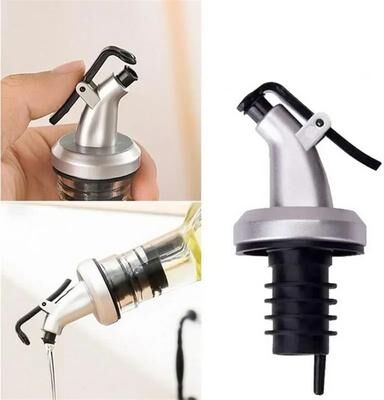
Uplifted Finds Oil Sprayer Liquor Dispenser And High Performance Flip Top Pourer Architecture Oil Sprayer Liquor Dispenser And High Performance Flip Top Pourer ArchitectureCommand ultimate culinary confidence with this Oil Sprayer and Liquor Dispenser, a highperformance flow solution specifically engineered to act as a comprehensive tool for elite organization and superior technical ergonomics. Built with a robust...32,97 $*Shipping: 0,00 $Secure redirect to the provider
-
Uplifted Finds Portable Stainless Steel Bottle Opener And High Performance Wooden Grip Architecture Portable Stainless Steel Bottle Opener And High Performance Wooden Grip ArchitectureCommand ultimate hospitality confidence with this Portable Bottle Opener, a highperformance beverage solution specifically engineered to act as a comprehensive tool for elite organization and superior technical ergonomics. Built with a robust...40,97 $*Shipping: 0,00 $Secure redirect to the provider
-
Uplifted Finds Smooth Air Condition Cooling Blanket And High Performance Summer Comforter Architecture Smooth Air Condition Cooling Blanket And High Performance Summer Comforter ArchitectureCommand ultimate sleep confidence with this Smooth Air Condition Comforter, a highperformance thermal regulation solution specifically engineered to act as a comprehensive tool for elite organization and superior technical ergonomics. Built with a...199,97 $*Shipping: 0,00 $Secure redirect to the provider


-
What is better, product design or interior architecture?
The answer to whether product design or interior architecture is better ultimately depends on personal interests and career goals. Product design involves creating tangible objects that serve a specific function, while interior architecture focuses on designing interior spaces that enhance the user experience. Both fields offer unique opportunities for creativity and innovation, so it is important to consider which aligns more with your passions and strengths. Ultimately, the decision between product design and interior architecture should be based on individual preferences and career aspirations. **
-
How can one study architecture or interior design?
One can study architecture or interior design by enrolling in a formal education program such as a bachelor's or master's degree in architecture or interior design at a university or college. These programs typically cover design principles, building technology, history of architecture, and practical skills such as drafting and computer-aided design. Additionally, gaining practical experience through internships or apprenticeships with established architects or designers can provide valuable hands-on learning opportunities. Networking with professionals in the field and attending workshops, conferences, and exhibitions can also help in expanding one's knowledge and skills in architecture or interior design. **
-
How can one transition from interior design to architecture?
One can transition from interior design to architecture by pursuing further education and obtaining a degree in architecture. This will provide a deeper understanding of structural design, building systems, and construction methods. Additionally, gaining experience in architectural firms or working on architectural projects can help in making the transition. It is also important to develop a strong portfolio that showcases architectural design skills and knowledge. Networking with architects and seeking mentorship can also be beneficial in making the transition from interior design to architecture. **
-
What is the difference between interior design and architecture?
Interior design focuses on the aesthetic and functional aspects of the interior spaces within a building, including furniture, color schemes, and decor. It involves creating a cohesive and visually appealing environment that meets the needs and preferences of the occupants. On the other hand, architecture is the art and science of designing and constructing buildings and other physical structures. It encompasses the overall design, structural integrity, and functionality of the entire building, including the exterior and interior spaces. While interior design focuses on the interior environment, architecture encompasses the entire built environment. **


What is the meaning of processor performance and architecture?
Processor performance refers to the speed and efficiency at which a processor can execute instructions and process data. It is often measured in terms of clock speed, number of cores, and overall processing power. Architecture, on the other hand, refers to the design and organization of the processor's internal components and how they work together to execute instructions. It includes elements such as the instruction set, cache size, and pipeline structure. Together, processor performance and architecture determine the overall capabilities and efficiency of a processor in handling various computing tasks. **
How can one switch from studying architecture to interior design?
To switch from studying architecture to interior design, one can start by researching the specific requirements and courses needed for a degree in interior design. It may be necessary to take additional classes or pursue a new degree program focused on interior design. Building a portfolio that showcases relevant skills and projects related to interior design can also help in making the transition. Networking with professionals in the interior design field and seeking internships or job opportunities in interior design firms can provide valuable experience and connections. **
Top-Angebote
Products related to Differences Architecture:
-
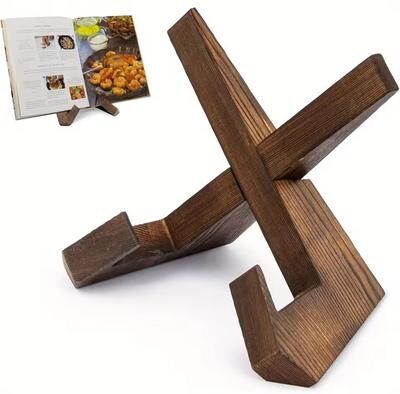
Uplifted Finds Luxury Wooden Recipe Display Stand And High Performance Tablet Support Architecture Luxury Wooden Recipe Display Stand And High Performance Tablet Support ArchitectureCommand ultimate culinary confidence with this Wooden Display Stand, a highperformance organization solution specifically engineered to act as a comprehensive tool for elite organization and superior technical ergonomics. Built with a robust...84,97 $*Shipping: 0,00 $Secure redirect to the provider
-
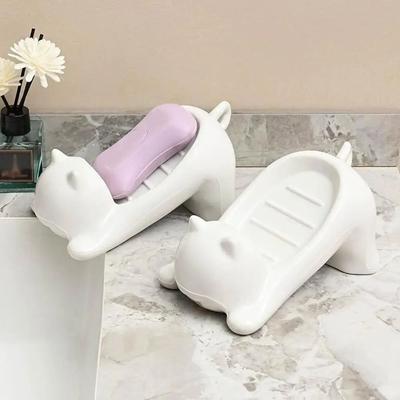
Uplifted Finds Cute Cartoon Cat Soap Dish With High Performance Drainage Architecture Cute Cartoon Cat Soap Dish With High Performance Drainage ArchitectureCommand ultimate domestic confidence with this Cute Cartoon Cat Soap Dish, a highperformance organization solution specifically engineered to act as a comprehensive tool for elite organization and superior technical ergonomics. Built with a robust...35,97 $*Shipping: 0,00 $Secure redirect to the provider
-
Uplifted Finds Geometric Iron Wire Fruit Bowl And High Performance Countertop Organization Architecture Geometric Iron Wire Fruit Bowl And High Performance Countertop Organization ArchitectureCommand ultimate domestic confidence with this Wire Fruit Bowl, a highperformance organization solution specifically engineered to act as a comprehensive tool for elite organization and superior technical ergonomics. Built with a robust reinforced...104,97 $*Shipping: 0,00 $Secure redirect to the provider
-
Uplifted Finds Oil Sprayer Liquor Dispenser And High Performance Flip Top Pourer Architecture Oil Sprayer Liquor Dispenser And High Performance Flip Top Pourer ArchitectureCommand ultimate culinary confidence with this Oil Sprayer and Liquor Dispenser, a highperformance flow solution specifically engineered to act as a comprehensive tool for elite organization and superior technical ergonomics. Built with a robust...32,97 $*Shipping: 0,00 $Secure redirect to the provider
-
What are the differences and similarities between design, architecture, and art?
Design, architecture, and art are all creative fields that involve the use of aesthetics and functionality. Design focuses on solving problems and creating solutions that are both visually appealing and practical. Architecture involves the design and construction of buildings and structures, focusing on spatial relationships and functionality. Art, on the other hand, is more about self-expression and creativity, often without the constraints of functionality. While all three fields involve creativity and aesthetics, design and architecture are more focused on solving specific problems and serving a purpose, while art is often more about personal expression and interpretation. **
-
How can one recognize differences in architecture?
One can recognize differences in architecture by observing the style, materials, and construction techniques used in a building. Different architectural styles, such as Gothic, Baroque, or Modernist, have distinct characteristics that can help identify the time period and cultural influences of a structure. Additionally, the use of specific materials, such as stone, wood, or glass, can also indicate a particular architectural style or regional tradition. Furthermore, the construction techniques, such as arches, columns, or vaulted ceilings, can provide clues to the architectural style and period of a building. **
-
What is better, product design or interior architecture?
The answer to whether product design or interior architecture is better ultimately depends on personal interests and career goals. Product design involves creating tangible objects that serve a specific function, while interior architecture focuses on designing interior spaces that enhance the user experience. Both fields offer unique opportunities for creativity and innovation, so it is important to consider which aligns more with your passions and strengths. Ultimately, the decision between product design and interior architecture should be based on individual preferences and career aspirations. **
-
How can one study architecture or interior design?
One can study architecture or interior design by enrolling in a formal education program such as a bachelor's or master's degree in architecture or interior design at a university or college. These programs typically cover design principles, building technology, history of architecture, and practical skills such as drafting and computer-aided design. Additionally, gaining practical experience through internships or apprenticeships with established architects or designers can provide valuable hands-on learning opportunities. Networking with professionals in the field and attending workshops, conferences, and exhibitions can also help in expanding one's knowledge and skills in architecture or interior design. **
Similar search terms for Differences Architecture
-
Uplifted Finds Portable Stainless Steel Bottle Opener And High Performance Wooden Grip Architecture Portable Stainless Steel Bottle Opener And High Performance Wooden Grip ArchitectureCommand ultimate hospitality confidence with this Portable Bottle Opener, a highperformance beverage solution specifically engineered to act as a comprehensive tool for elite organization and superior technical ergonomics. Built with a robust...40,97 $*Shipping: 0,00 $Secure redirect to the provider
-
Uplifted Finds Smooth Air Condition Cooling Blanket And High Performance Summer Comforter Architecture Smooth Air Condition Cooling Blanket And High Performance Summer Comforter ArchitectureCommand ultimate sleep confidence with this Smooth Air Condition Comforter, a highperformance thermal regulation solution specifically engineered to act as a comprehensive tool for elite organization and superior technical ergonomics. Built with a...199,97 $*Shipping: 0,00 $Secure redirect to the provider
-
Uplifted Finds High Performance Waterproof Solar Garden Light And Outdoor Hanging Resonance Architecture High Performance Waterproof Solar Garden Light And Outdoor Hanging Resonance ArchitectureCommand ultimate environmental confidence with this Hanging Solar Garden Light, a highperformance illumination solution specifically engineered to act as a comprehensive tool for elite organization and superior technical ergonomics. Built with a...51,97 $*Shipping: 0,00 $Secure redirect to the provider
-
Uplifted Goods Optical Precision Pet Claw Architecture Optical Precision Pet Claw ArchitectureEnhance your pet grooming safety with the Optical Precision Pet Claw Architecture. This professional grade grooming solution is engineered with a specialized LED Illumination System designed to provide a definitive view of the delicate internal vein...39,97 $*Shipping: 0,00 $Secure redirect to the provider
-
How can one transition from interior design to architecture?
One can transition from interior design to architecture by pursuing further education and obtaining a degree in architecture. This will provide a deeper understanding of structural design, building systems, and construction methods. Additionally, gaining experience in architectural firms or working on architectural projects can help in making the transition. It is also important to develop a strong portfolio that showcases architectural design skills and knowledge. Networking with architects and seeking mentorship can also be beneficial in making the transition from interior design to architecture. **
-
What is the difference between interior design and architecture?
Interior design focuses on the aesthetic and functional aspects of the interior spaces within a building, including furniture, color schemes, and decor. It involves creating a cohesive and visually appealing environment that meets the needs and preferences of the occupants. On the other hand, architecture is the art and science of designing and constructing buildings and other physical structures. It encompasses the overall design, structural integrity, and functionality of the entire building, including the exterior and interior spaces. While interior design focuses on the interior environment, architecture encompasses the entire built environment. **
-
What is the meaning of processor performance and architecture?
Processor performance refers to the speed and efficiency at which a processor can execute instructions and process data. It is often measured in terms of clock speed, number of cores, and overall processing power. Architecture, on the other hand, refers to the design and organization of the processor's internal components and how they work together to execute instructions. It includes elements such as the instruction set, cache size, and pipeline structure. Together, processor performance and architecture determine the overall capabilities and efficiency of a processor in handling various computing tasks. **
-
How can one switch from studying architecture to interior design?
To switch from studying architecture to interior design, one can start by researching the specific requirements and courses needed for a degree in interior design. It may be necessary to take additional classes or pursue a new degree program focused on interior design. Building a portfolio that showcases relevant skills and projects related to interior design can also help in making the transition. Networking with professionals in the interior design field and seeking internships or job opportunities in interior design firms can provide valuable experience and connections. **
* All prices are inclusive of VAT and, if applicable, plus shipping costs. The offer information is based on the details provided by the respective shop and is updated through automated processes. Real-time updates do not occur, so deviations can occur in individual cases. ** Note: Parts of this content were created by AI.